

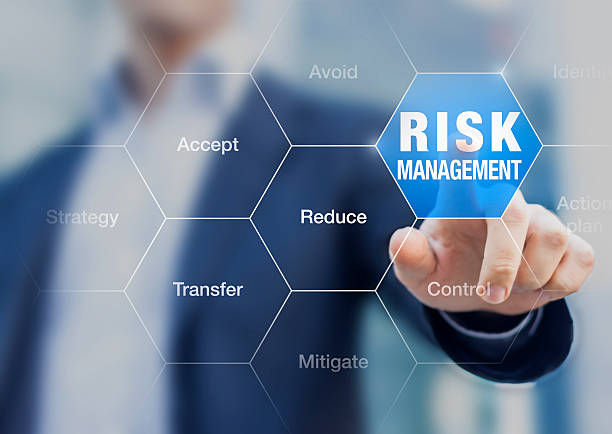

Risk Management
As a project manager, managing risk is a critical part of ensuring the success of your project. Proper risk management involves identifying potential risks, assessing their impact, and developing strategies to mitigate or avoid them. When done correctly, risk management can greatly enhance the outcome of your project and ensure that you deliver results that meet your goals and exceed your stakeholders' expectations.
Here are some of the benefits and advantages of proper risk management:
1. Improved decision-making: By proactively identifying and assessing risks, you can make more informed decisions about how to allocate resources, allocate time, and move forward with your project. This leads to better outcomes and a more efficient use of your team's time and skills.
2. Better contingency planning: Proper risk management allows you to identify potential problems and plan for them in advance. This helps you to be prepared for unexpected events, and reduces the impact of potential risks on your project timeline and budget.
3. Increased transparency: When you have a robust risk management plan in place, you can clearly communicate the potential risks and impact to your stakeholders. This helps to build trust and confidence in your ability to manage the project, and fosters collaboration and buy-in.
4. Enhanced stakeholder buy-in: Stakeholders are more likely to support your project when they can see that you have a well-considered approach to managing risk. A comprehensive risk management plan demonstrates your level of professionalism and expertise, and helps to build trust and confidence in your ability to deliver results.
5. Better project outcomes: Proper risk management helps to ensure that your project stays on track, meets its goals, and delivers the desired results. By proactively identifying and mitigating risks, you can avoid potential problems and achieve better outcomes for your project.
In conclusion, proper risk management is an essential component of project management, and a critical factor in ensuring the success of your project. By taking the time to identify and assess risks, and develop strategies to mitigate or avoid them, you can ensure that your project stays on track, meets its goals, and delivers the results that you and your stakeholders expect.
How can I improve my risk management approach?
As a project manager, it's important to continuously assess and improve your risk management processes to ensure the success of your project. Here are three suggestions to help you improve your project risk management: